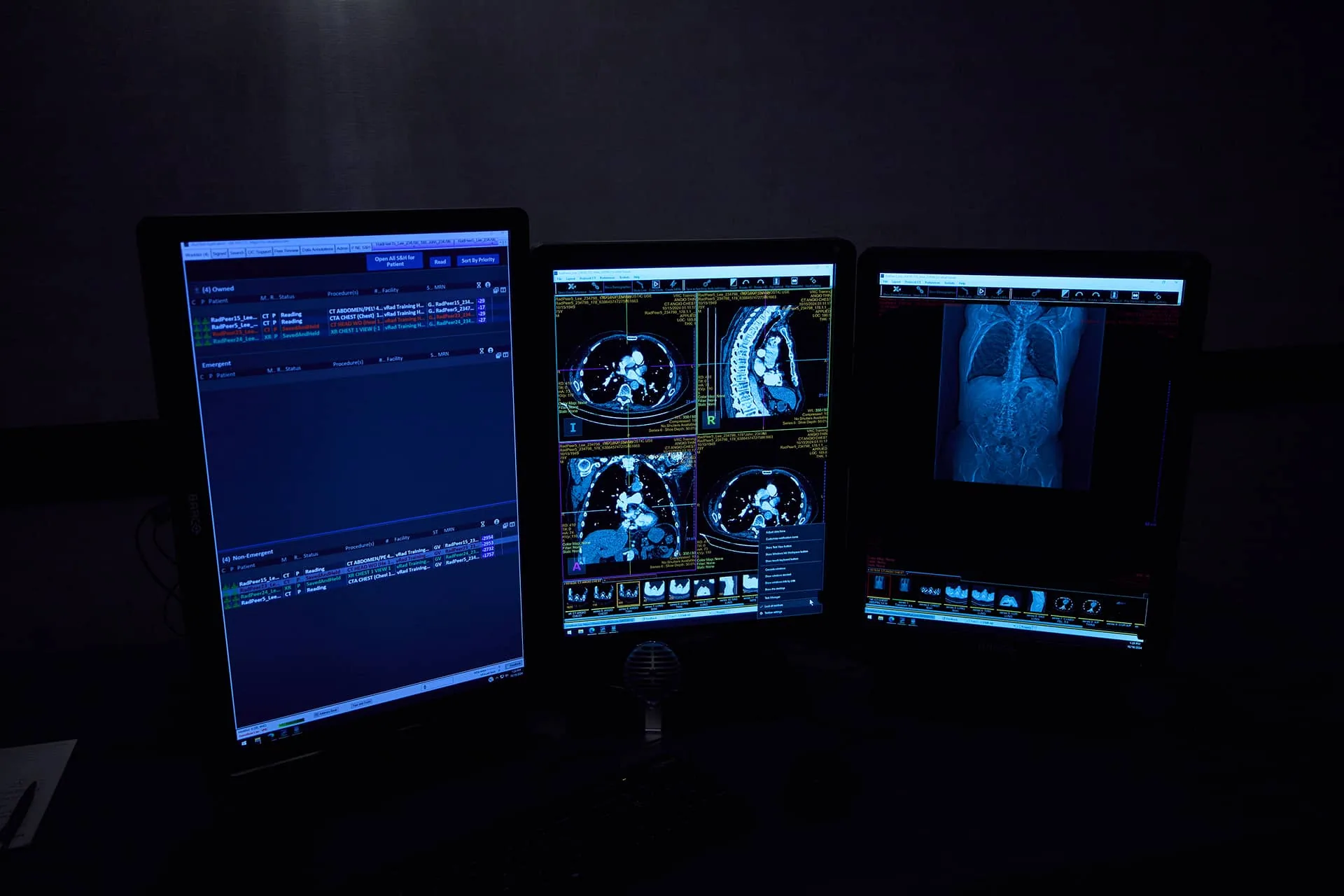
Remote Breast Imaging Radiologist
Day Shift | Full-Time
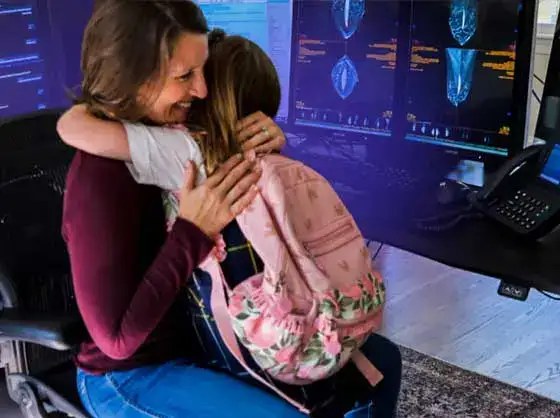
Remote radiologist jobs with flexible schedules, equitable pay, and the most advanced reading platform. Discover teleradiology at vRad.

Radiologist well-being matters. Explore how vRad takes action to prevent burnout with expert-led, confidential support through our partnership with VITAL WorkLife. Helping radiologists thrive.
Visit the vRad blog for radiologist experiences at vRad, career resources, and more.
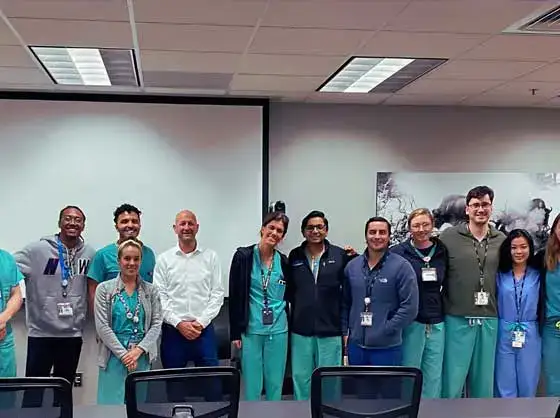
vRad provides radiology residents and fellows with free radiology education resources for ABR boards, noon lectures, and CME.
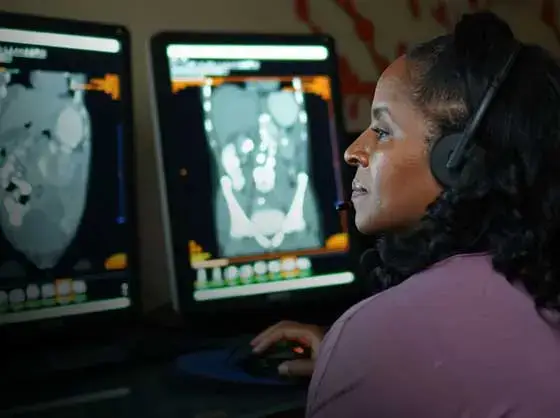
Teleradiology services leader since 2001. See how vRad AI is helping deliver faster, higher-quality care for 50,000+ critical patients each year.
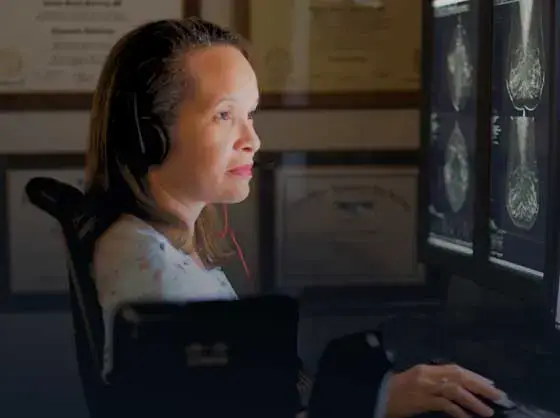
Subspecialist care for the women in your community. 48-hour screenings. 1-hour diagnostics. Comprehensive compliance and inspection support.
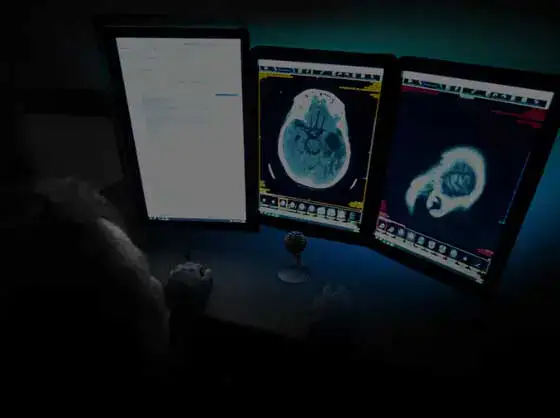
vRad’s stroke protocol auto-assigns stroke cases to the top of all available radiologists’ worklists, with requirements to be read next.
vRad’s unique teleradiology workflow for trauma studies delivers consistently fast turnaround times—even during periods of high volume.
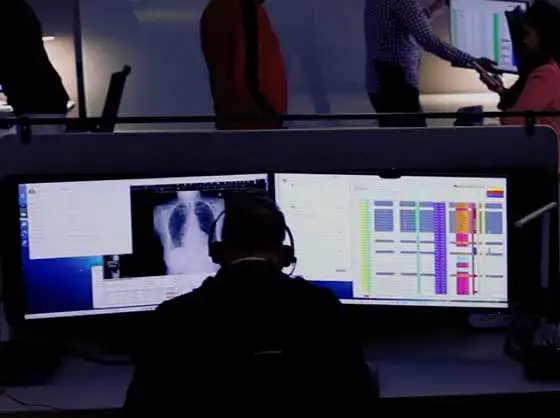
vRad’s Operations Center is the central hub that ensures imaging studies and communications are handled efficiently and swiftly.
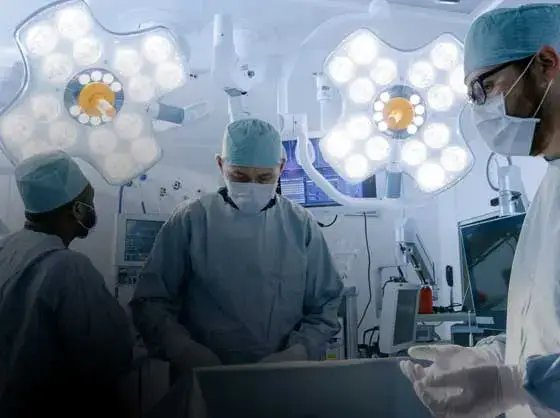
vRad is delivering faster radiology turnaround times for 40,000+ critical patients annually, using four unique strategies, including AI.

vRad is developing and using AI to improve radiology quality assurance and reduce medical malpractice risk.
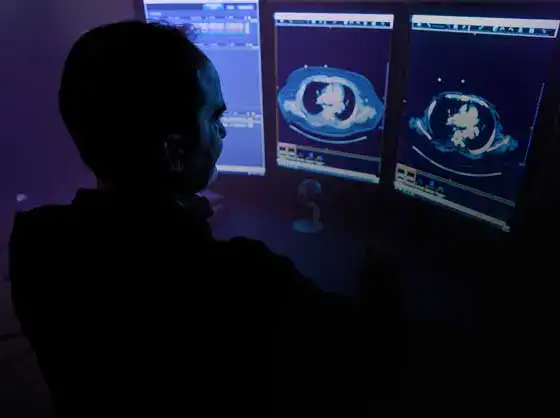
Now you can power your practice with the same fully integrated technology and support ecosystem we use. The vRad Platform.
Since developing and launching our first model in 2015, vRad has been at the forefront of AI in radiology.
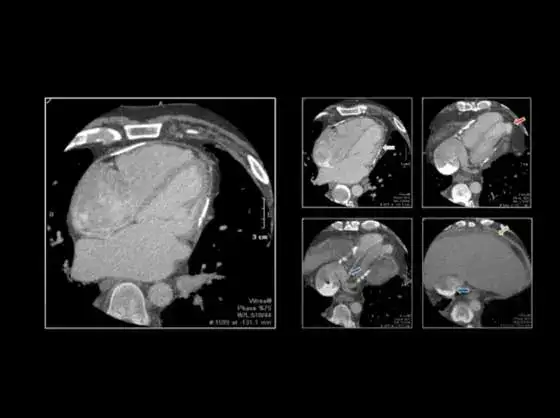
Since 2010, vRad Radiology Education has provided high-quality radiology CME. Open to all radiologists, these 15-minute online modules are a convenient way to stay up to date on practical radiology topics.
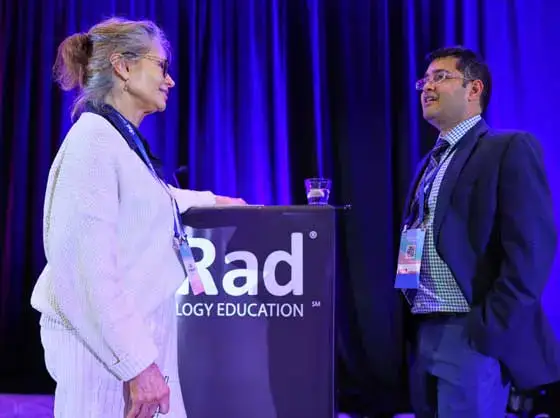
Join vRad’s annual spring CME conference, featuring top speakers and practical radiology topics.
vRad provides radiology residents and fellows with free radiology education resources for ABR boards, noon lectures, and CME.

Academically oriented radiologists love practicing at vRad too. Check out the research published by vRad radiologists and team members.
Learn how vRad revolutionized radiology and has been at the forefront of innovation since 2001.

Explore vRad’s award-winning culture and what it’s like to work at vRad.
Meet vRad’s executive and medical leaders.
Visit the vRad blog for radiologist experiences at vRad, career resources, and more.

Get the latest news from vRad and top stories over the years.
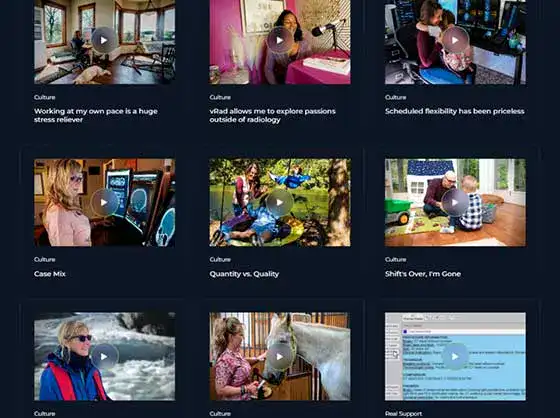
Explore our practice’s reading platform, breast imaging program, AI, and more. Plus, hear from vRad radiologists about what it’s like to practice at vRad.
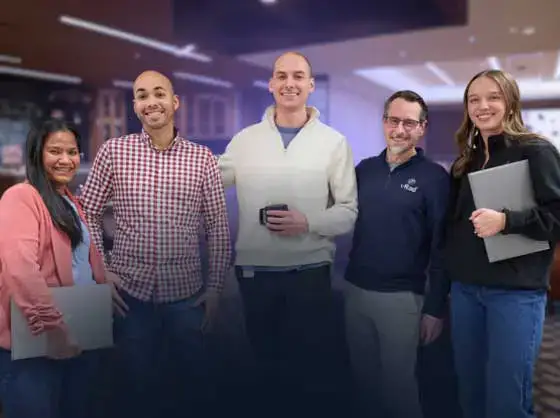
Ready to be part of something meaningful? Explore team member careers at vRad.

The largest teleradiology practice in the U.S. hiring for full-time, part-time, overnight, evening, weekend, and subspecialty radiologist positions — all 100% remote.

vRad schedules are predictable and defined: full-time or part-time, day or night. The blocks you choose are the blocks you work, with no surprise call and no shifting roster, so you can plan your life with real consistency.

vRad has been at the forefront of teleradiology since its founding in 2001, supporting more than 1,600 healthcare facilities nationwide. More than 500 radiologists practice at vRad, helping deliver care across a broad mix of hospitals and health systems. vRad’s mission is to bring exceptional radiology care to all patients. Anytime. Anywhere.
Radiologists at vRad practice fully remotely on The vRad Platform, built specifically for remote reading and backed by established operational support and dedicated IT resources.
From our culture to our technology, practicing at vRad means being able to focus on what matters most — your patients and your well-being. We’re here to make that happen.
Yes. vRad hires remote radiologists across full-time, part-time, overnight, day, evening, weekend, and subspecialty schedules, all 100% remote and based anywhere in the United States.
vRad offers full-time and part-time remote diagnostic radiology, plus overnight emergency, day, evening, and weekend coverage and subspecialty neuroradiology and breast imaging roles, all read remotely from a home workstation. A recruiter helps match the shift and schedule type to your goals.
vRad radiologists are paid through a transparent, productivity-based model with no minimum read quotas. You earn per study at the same published rates for everyone, regardless of tenure, with each study valued by the vRad Work Unit, calibrated to the real time and effort it takes. Earnings are visible in real time, and nights, weekends, holidays, and voluntary extra shifts pay more.
No. None of vRad’s schedules include call. You work your scheduled shift and nothing more.
No. vRad has no minimum read requirement or quota. Studies are distributed from a single shared worklist by an AI-driven assignment system, and because pay is based on the vRad Work Unit, your earnings simply track the work you take on. There’s also no cap, so you can read more whenever you want to earn more.
Both. vRad offers W2 employment or independent contractor status for full-time roles, depending on whether you need benefits; part-time supplemental roles are independent contractor engagements. Malpractice is provided in all cases.
No fellowship is required for general diagnostic radiology at vRad. Board certification (ABR or AOBR; board eligible if completing training) and U.S. licensure are the core requirements. Subspecialty roles such as neuroradiology and breast imaging carry additional qualifications.
Anywhere in the United States. vRad roles are fully remote from a home workstation, so there’s no relocation. You don’t need a license in every state vRad covers — vRad’s licensing team gets you licensed in the states that match how you want to read.
Most vRad radiologists practicing full-time hold 8 to 12 state licenses, and one of those is typically a license they already had. vRad’s dedicated licensing and credentialing team selects the states based on the hours you want to work, your specialty, and the licenses you hold, with the goal of as few licenses as possible. vRad completes the applications, manages annual renewals, and covers the costs. For the full picture — including timelines, taxes, and CME — see vRad Medical Director Dr. Scott Baginski on teleradiology licensing and credentialing.