
Practicing at vRad
Remote radiologist jobs with flexible schedules, equitable pay, and the most advanced reading platform. Discover teleradiology at vRad.
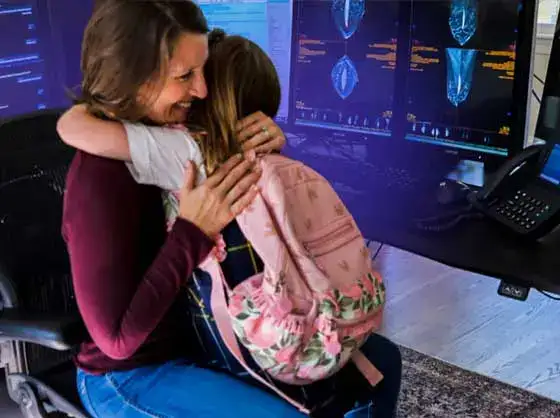
Remote radiologist jobs with flexible schedules, equitable pay, and the most advanced reading platform. Discover teleradiology at vRad.

Radiologist well-being matters. Explore how vRad takes action to prevent burnout with expert-led, confidential support through our partnership with VITAL WorkLife. Helping radiologists thrive.
Visit the vRad blog for radiologist experiences at vRad, career resources, and more.
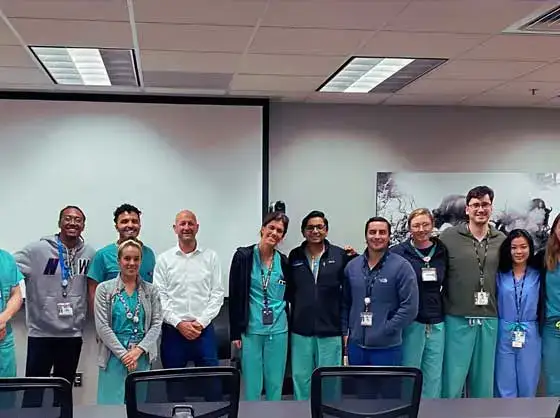
vRad provides radiology residents and fellows with free radiology education resources for ABR boards, noon lectures, and CME.
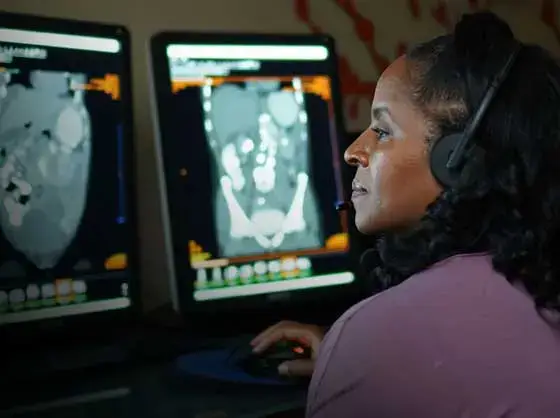
Teleradiology services leader since 2001. See how vRad AI is helping deliver faster, higher-quality care for 50,000+ critical patients each year.
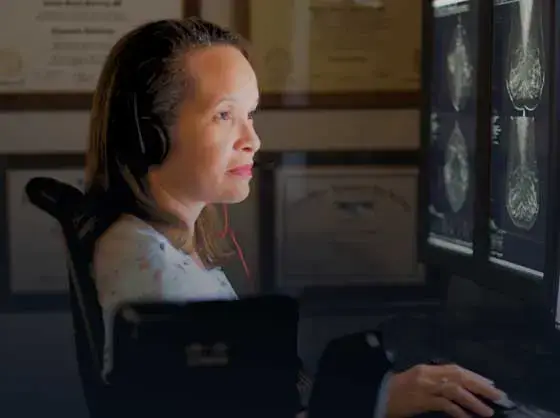
Subspecialist care for the women in your community. 48-hour screenings. 1-hour diagnostics. Comprehensive compliance and inspection support.
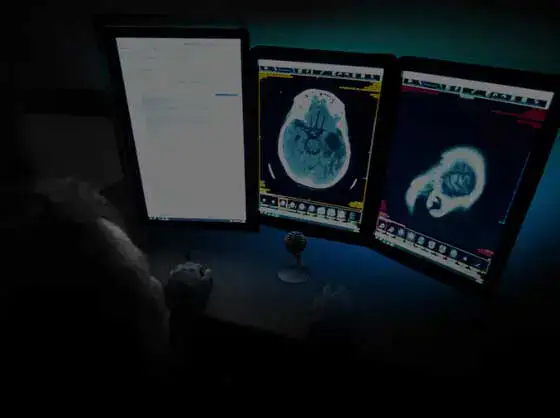
vRad’s stroke protocol auto-assigns stroke cases to the top of all available radiologists’ worklists, with requirements to be read next.

vRad’s unique teleradiology workflow for trauma studies delivers consistently fast turnaround times—even during periods of high volume.
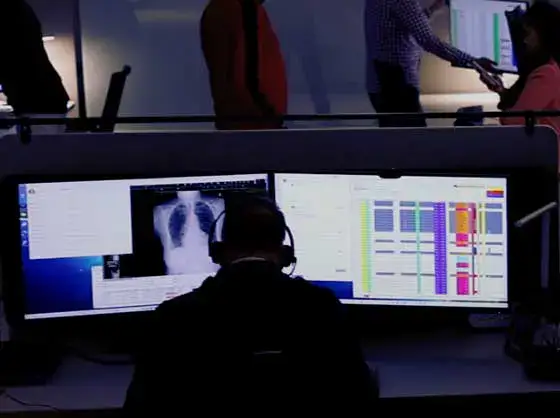
vRad’s Operations Center is the central hub that ensures imaging studies and communications are handled efficiently and swiftly.
vRad is delivering faster radiology turnaround times for 40,000+ critical patients annually, using four unique strategies, including AI.
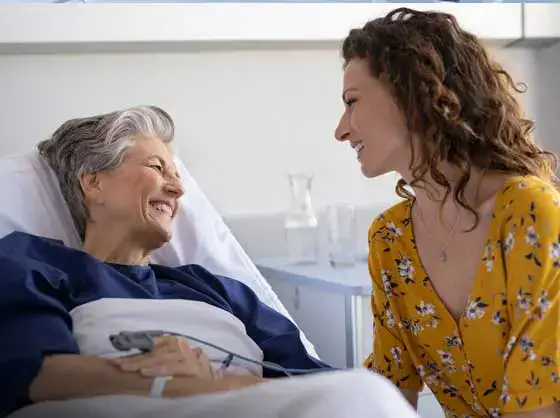
vRad is developing and using AI to improve radiology quality assurance and reduce medical malpractice risk.
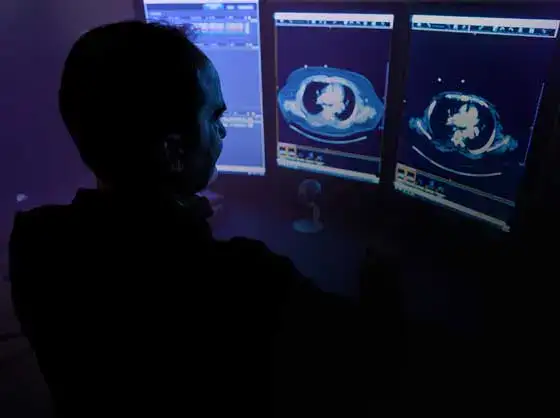
Designed by radiologists and proven over 20+ years. Every facility in one workflow with native AI, real-time analytics, and 24/7 support.

The vRad Operations Center provides live, U.S.-based clinical and technical support around the clock, so radiologists keep their eyes on images.

Switch platforms without stopping the practice. vRad has run PACS, EMR, and HL7 integrations since 2001, stage by stage.
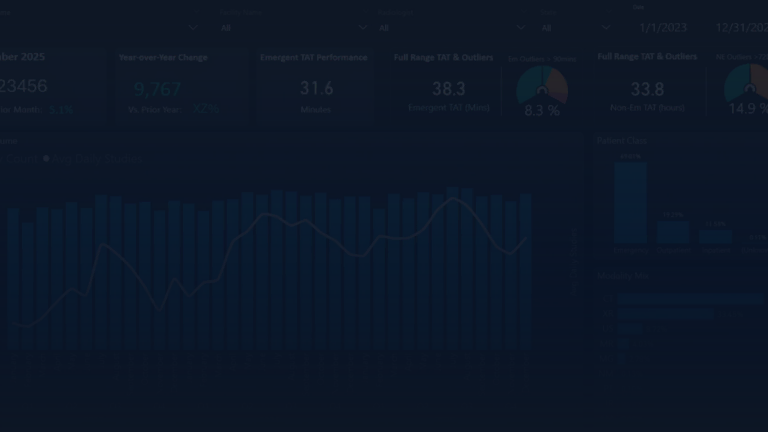
See turnaround times, volume, radiologist productivity, and referral trends from every facility on one real-time dashboard.

One click opens the case, the header is pre-filled, and dictation in any order becomes a structured report. Reporting software radiologists prefer.

AI built into the workflow, not bolted on: prioritizing the worklist, surfacing priors, formatting reports, drafting impressions, and placing critical findings calls.

One worklist for every facility. Native AI flags potentially critical findings and moves them to the top, cutting turnaround 15+ minutes.
One click opens the case, the header is pre-filled, and dictation in any order becomes a structured report. Reporting software radiologists prefer.
Dictate findings in any order. Native AI organizes them by body region into one consistently structured report, in your own words.

Native AI drafts the impression from the radiologist’s dictated findings. Built into reporting, not bolted on.
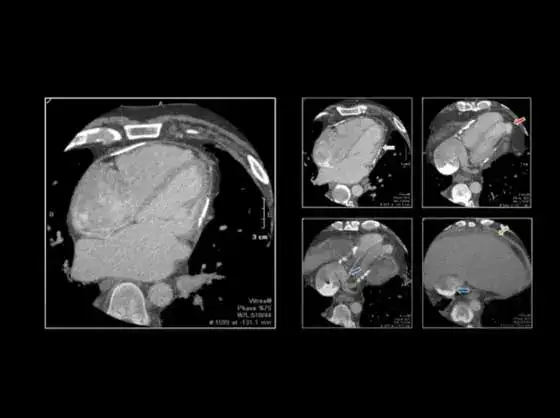
Since 2010, vRad Radiology Education has provided high-quality radiology CME. Open to all radiologists, these 15-minute online modules are a convenient way to stay up to date on practical radiology topics.
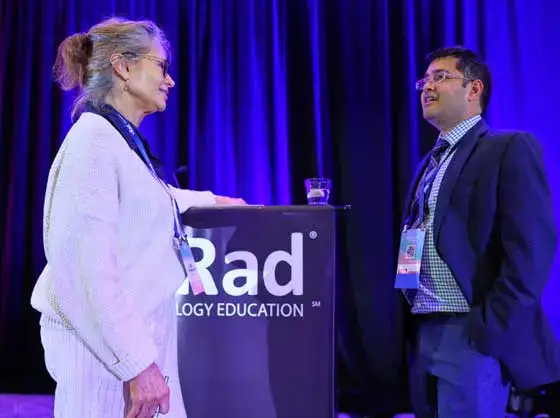
Join vRad’s annual spring CME conference, featuring top speakers and practical radiology topics.
vRad provides radiology residents and fellows with free radiology education resources for ABR boards, noon lectures, and CME.
Academically oriented radiologists love practicing at vRad too. Check out the research published by vRad radiologists and team members.
Learn how vRad revolutionized radiology and has been at the forefront of innovation since 2001.
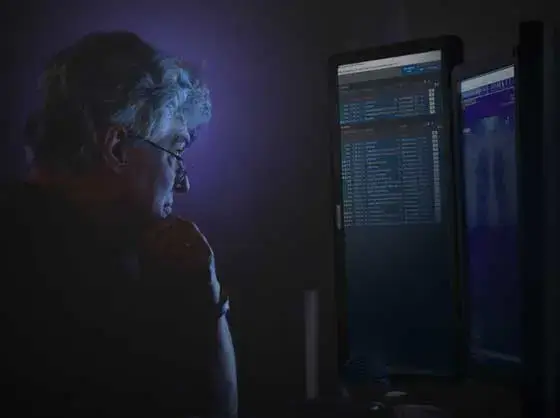
Since developing and launching our first model in 2015, vRad has been at the forefront of AI in radiology.

Explore vRad’s award-winning culture and what it’s like to work at vRad.
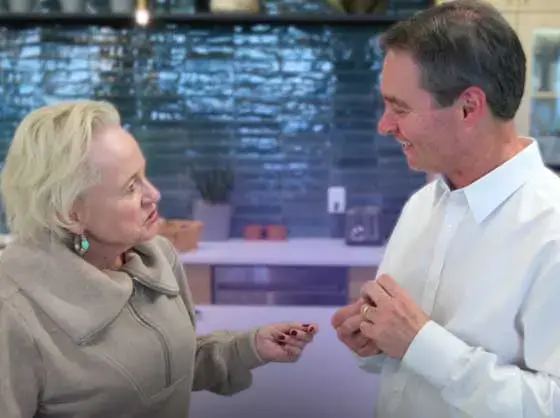
Meet vRad’s executive and medical leaders.
Visit the vRad blog for radiologist experiences at vRad, career resources, and more.

Get the latest news from vRad and top stories over the years.
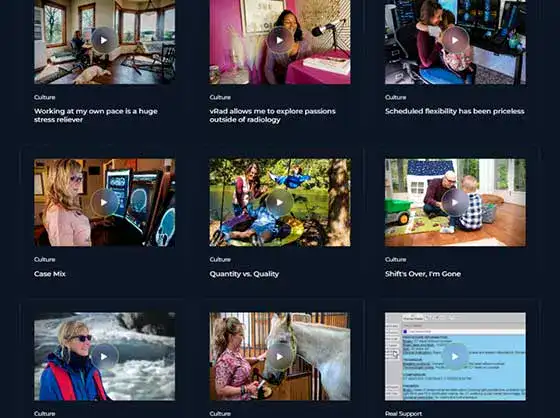
Explore our practice’s reading platform, breast imaging program, AI, and more. Plus, hear from vRad radiologists about what it’s like to practice at vRad.
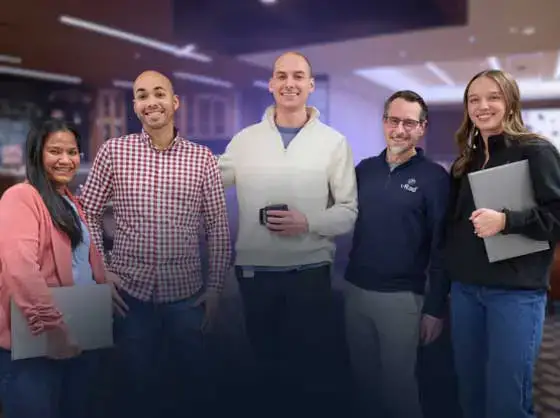
Ready to be part of something meaningful? Explore team member careers at vRad.
Dictate findings in whatever order fits your search pattern. Native AI on The vRad Platform organizes them by body region into a consistently structured report, so your eyes stay on the images and referring physicians get the same report layout no matter who read the case.

Some reporting systems make the radiologist dictate into a template. Every jump between the report and the images interrupts a search pattern that took years to build.
The vRad Platform gives radiologists greater flexibility. Dictate findings in the order you see them, in the style you already use. No tabbing, no rearranging, no constant report editing, while your eyes remain on the images.

Your Words, Unedited
AI hallucination is a real concern in radiology. Some radiology reporting software uses generative AI to interpret dictation and rewrite it. That can introduce changes a radiologist never intended: a dropped qualifier, a lost follow-up interval, a laterality that drifts under paraphrase. The vRad Platform avoids this by using the radiologist’s exact words when organizing the report, never modifying them.
| What the radiologist said | What other generative AI might write | What The vRad Platform writes |
|---|---|---|
| “No acute fracture.” | “No fracture.” — drops “acute,” erasing possible chronic findings | “No acute fracture.” |
| “Probable small left pleural effusion.” | “Small left pleural effusion.” — hedge word removed; probability becomes certainty | “Probable small left pleural effusion.” |
| “Right lower lobe opacity.” | “Left lower lobe opacity.” — laterality drift under paraphrase | “Right lower lobe opacity.” |
| “Follow-up CT in 3–6 months.” | “Follow-up CT recommended.” — interval dropped; actionability lost | “Follow-up CT in 3–6 months.” |
Illustrative examples of known generative-AI failure modes: dropped qualifiers, laterality drift, lost specifics.

Optional: native AI generates the impression from your dictated findings for your review before you sign.

Patient information, history, exam details, and contrast information are pre-populated, so you are not dictating patient history into the report.

Clinical and compliance alerts, including MIPS language, laterality inconsistencies, and missing anatomy, appear before the report is signed.

Dictate positives only and let your preferred negatives fill in automatically, or use voice macros to log each step of your search pattern.

Fully AI-drafted radiology reports are an exciting direction, but very few products are cleared by the FDA for that use today. Reporting software will remain part of every radiologist’s day for the foreseeable future, which makes formatting, consistency, and report quality worth solving now.
This is the same reporting workflow vRad’s 500+ radiologists use on The vRad Platform, which has read 118 million+ patients since 2001. The Platform is built and continuously improved by our engineers, so new capabilities arrive as they are proven, not bolted on.
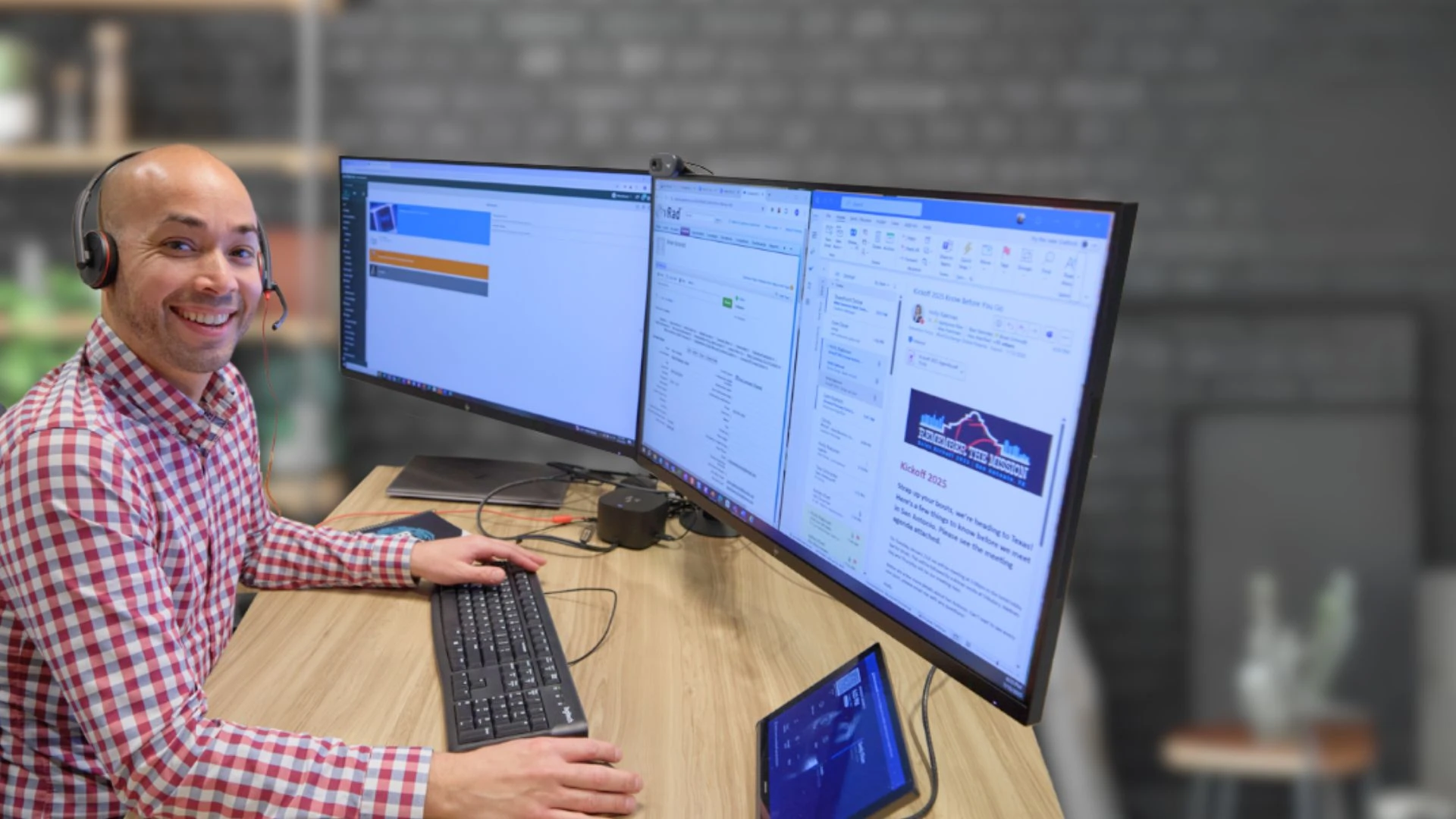
AI report formatting is the automatic organization of a radiologist’s dictated findings into a consistently structured report, grouped by body region, regardless of the order in which they were dictated. On The vRad Platform, native AI identifies the anatomy described in each sentence and places it in the matching section, so the radiologist dictates freely and the report still follows one standard layout.
AI report formatting helps radiologists keep their eyes on the images. Instead of tabbing through a template and dictating into fixed fields, the radiologist dictates findings in any style they prefer, and the order of their own search pattern. Native AI organizes the report afterward, which removes the constant report editing and rearranging that pulls attention away from the images during a read.
AI hallucination is a real concern in radiology. Some radiology reporting software uses generative AI to interpret the radiologist’s dictation and rewrite it. That can introduce changes a radiologist never intended. The vRad Platform avoids this by never modifying the words of the radiologist.
The vRad Platform avoids hallucinations with strict rules to never modify the radiologist’s dictated findings when formatting the radiology report. Qualifiers such as “probable” and “acute” and specifics such as laterality and follow-up intervals, appear in the report as they were dictated by the radiologist. Some generative-AI reporting tools modify dictation, which can drop or alter that language.
On The vRad Platform, radiology report consistency is achieved by AI technology that formats the report after dictation rather than from a template the radiologist must follow while reading. Each radiologist keeps their own dictation style, order, and macros. The practice sets report layout preferences once, such as impression placement and grouping by body region, and every report follows that style, regardless of who reads the case.
The benefit of AI radiology report formatting for referring physicians is that the report is organized the same way every time, no matter which radiologist reads the case. If the practice is utilizing The vRad Platform, findings are grouped by body region under consistent headings, so a clinician can find the element they need, such as the lungs on a chest CT, in the same place on every report.
No. AI report formatting organizes findings the radiologist dictated; an AI-generated report drafts the findings from the AI image analysis. Very few AI report-generation products are FDA-cleared today. AI report formatting is available now on The vRad Platform, along with optional AI Impressions, which generate an impression from the radiologist’s dictated findings for review before signing.