
Practicing at vRad
Remote radiologist jobs with flexible schedules, equitable pay, and the most advanced reading platform. Discover teleradiology at vRad.
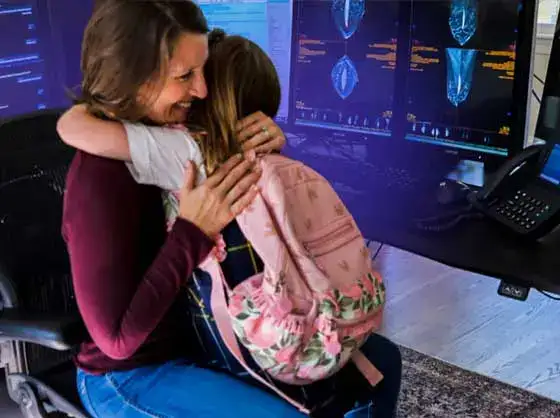
Remote radiologist jobs with flexible schedules, equitable pay, and the most advanced reading platform. Discover teleradiology at vRad.

Radiologist well-being matters. Explore how vRad takes action to prevent burnout with expert-led, confidential support through our partnership with VITAL WorkLife. Helping radiologists thrive.
Visit the vRad blog for radiologist experiences at vRad, career resources, and more.
vRad provides radiology residents and fellows with free radiology education resources for ABR boards, noon lectures, and CME.
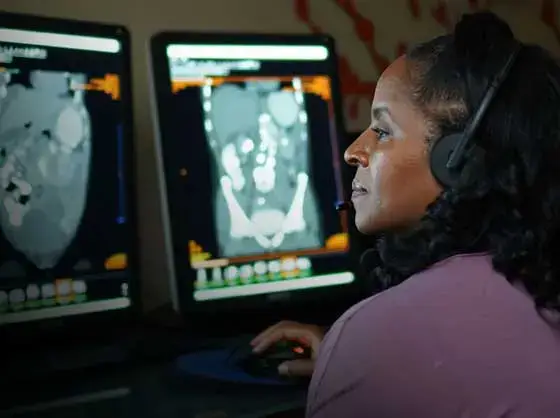
Teleradiology services leader since 2001. See how vRad AI is helping deliver faster, higher-quality care for 50,000+ critical patients each year.
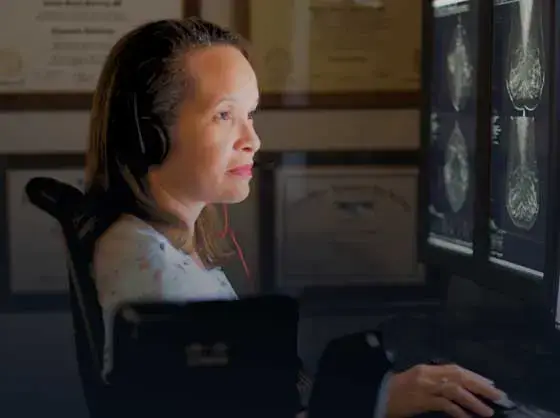
Subspecialist care for the women in your community. 48-hour screenings. 1-hour diagnostics. Comprehensive compliance and inspection support.
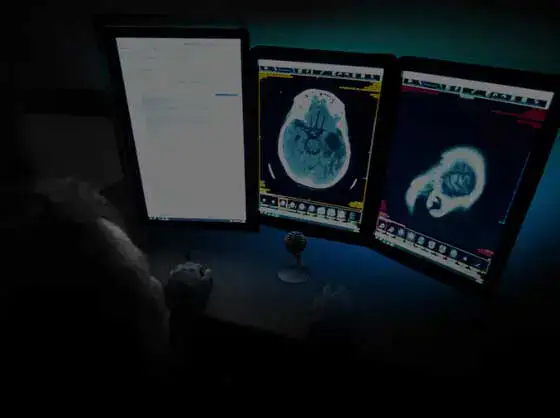
vRad’s stroke protocol auto-assigns stroke cases to the top of all available radiologists’ worklists, with requirements to be read next.
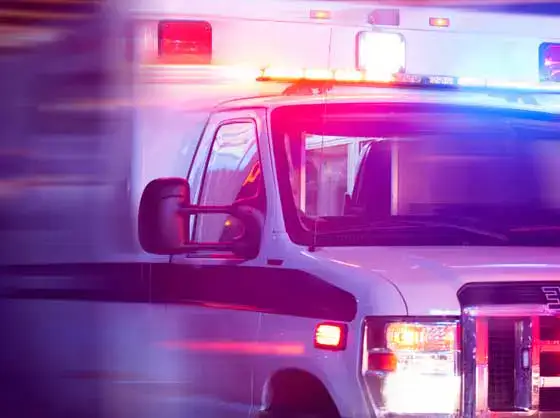
vRad’s unique teleradiology workflow for trauma studies delivers consistently fast turnaround times—even during periods of high volume.
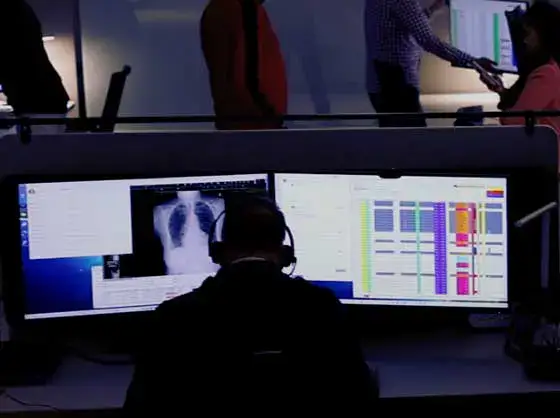
vRad’s Operations Center is the central hub that ensures imaging studies and communications are handled efficiently and swiftly.
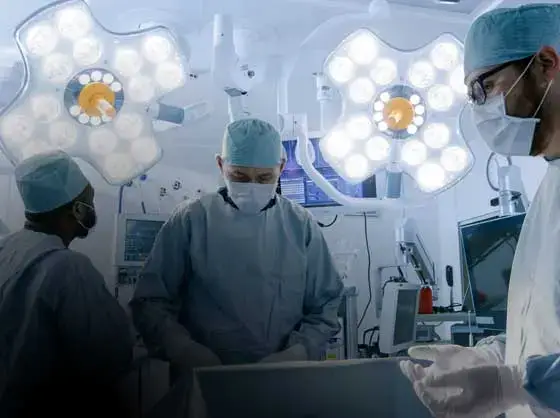
vRad is delivering faster radiology turnaround times for 40,000+ critical patients annually, using four unique strategies, including AI.

vRad is developing and using AI to improve radiology quality assurance and reduce medical malpractice risk.
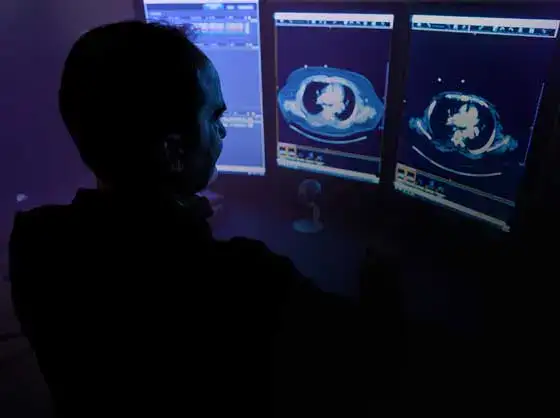
Designed by radiologists and proven over 20+ years. Every facility in one workflow with native AI, real-time analytics, and 24/7 support.

The vRad Operations Center provides live, U.S.-based clinical and technical support around the clock, so radiologists keep their eyes on images.

Switch platforms without stopping the practice. vRad has run PACS, EMR, and HL7 integrations since 2001, stage by stage.
See turnaround times, volume, radiologist productivity, and referral trends from every facility on one real-time dashboard.

One click opens the case, the header is pre-filled, and dictation in any order becomes a structured report. Reporting software radiologists prefer.

AI built into the workflow, not bolted on: prioritizing the worklist, surfacing priors, formatting reports, drafting impressions, and placing critical findings calls.

One worklist for every facility. Native AI flags potentially critical findings and moves them to the top, cutting turnaround 15+ minutes.
One click opens the case, the header is pre-filled, and dictation in any order becomes a structured report. Reporting software radiologists prefer.

Dictate findings in any order. Native AI organizes them by body region into one consistently structured report, in your own words.

Native AI drafts the impression from the radiologist’s dictated findings. Built into reporting, not bolted on.
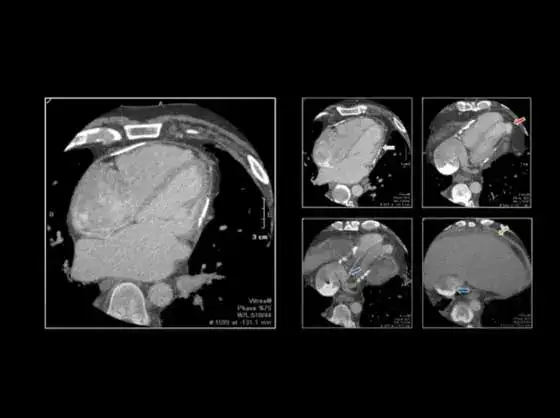
Since 2010, vRad Radiology Education has provided high-quality radiology CME. Open to all radiologists, these 15-minute online modules are a convenient way to stay up to date on practical radiology topics.
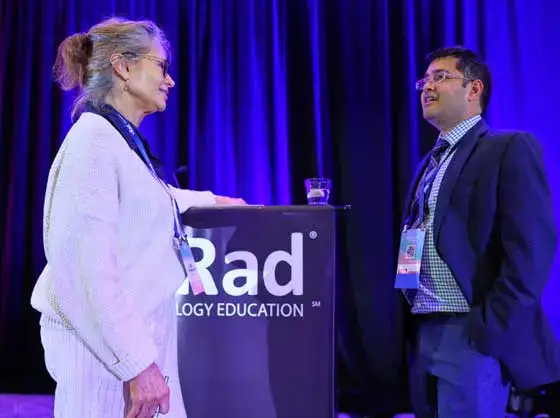
Join vRad’s annual spring CME conference, featuring top speakers and practical radiology topics.
vRad provides radiology residents and fellows with free radiology education resources for ABR boards, noon lectures, and CME.

Academically oriented radiologists love practicing at vRad too. Check out the research published by vRad radiologists and team members.

Learn how vRad revolutionized radiology and has been at the forefront of innovation since 2001.
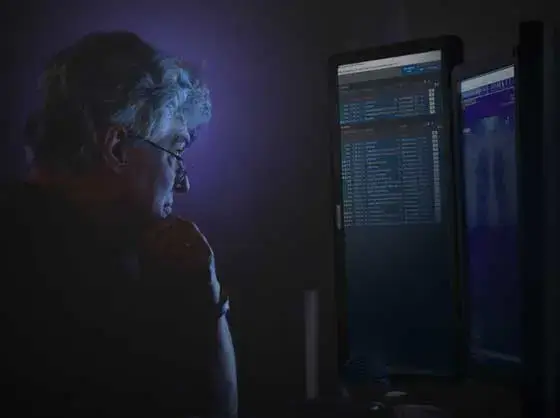
Since developing and launching our first model in 2015, vRad has been at the forefront of AI in radiology.

Explore vRad’s award-winning culture and what it’s like to work at vRad.
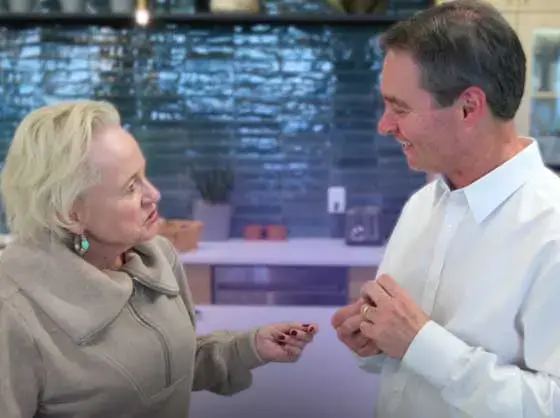
Meet vRad’s executive and medical leaders.
Visit the vRad blog for radiologist experiences at vRad, career resources, and more.

Get the latest news from vRad and top stories over the years.
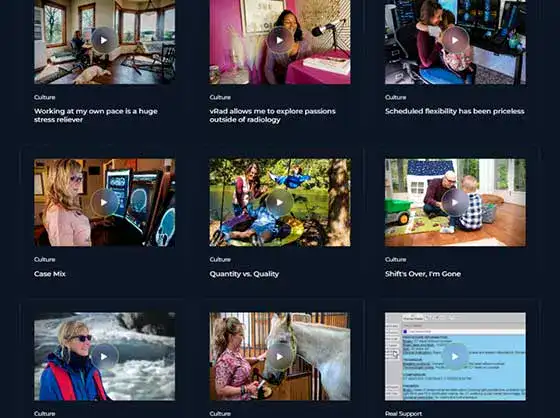
Explore our practice’s reading platform, breast imaging program, AI, and more. Plus, hear from vRad radiologists about what it’s like to practice at vRad.

Ready to be part of something meaningful? Explore team member careers at vRad.
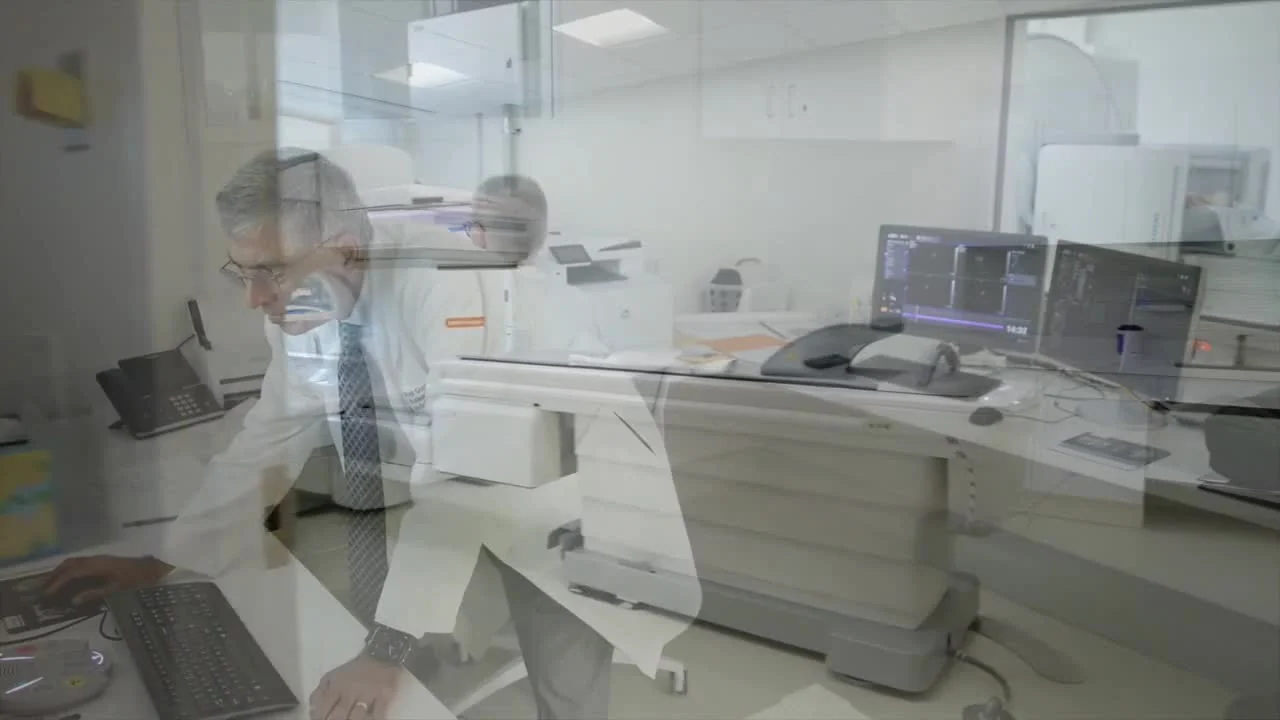
A platform transition puts reading workflows, turnaround times, and radiologist productivity on the line. vRad has been onboarding radiology practices and facilities since 2001, and every implementation is planned around keeping all three intact from kickoff through go-live and beyond.

The vRad Platform was not designed by a software company imagining how a radiology practice operates. vRad is a radiology practice. Our radiologists read on The vRad Platform every day, and our implementation team has connected thousands of imaging facilities to it over 25 years.
A Practice-First Approach to Onboarding
Watch: White-Glove Support
No outsourcing here. You get an experienced vRad implementation team from kickoff through go-live. Every implementation runs on a written project plan, led by a dedicated vRad Client Implementation Manager who will hold weekly touchpoints.

Before anything is configured, we learn how your practice reads today: how a case moves from order to signed report, every PACS, RIS, EMR, and modality in scope, and who covers what. This becomes the design the integration team builds against.

DICOM routing, HL7 orders and results, EMR and FHIR connections, historical priors, worklist and report configuration, and vRad-supplied workstations, all configured and verified facility by facility before anyone goes live.

Radiologists, technologists, and administrators trained on their own workflows, then a soft go-live ahead of the switch. Real-time support on launch day, a daily check-in, and a formal handoff to your account team backed by 24/7 U.S.-based technical and hardware support.


Orders in, results back, data flowing. HL7 interfaces for orders, results, and ADT patient demographics are built and tested by vRad interface analysts before a single study routes through them. Where your EMR offers it, FHIR integration gives radiologists a real-time snapshot of patient data inside the imaging timeline. With CDA (Clinical Document Architecture) radiologists have a view into the EMR right from the case.
Priors ready on day one. Historical patient data is onboarded before go-live so relevant priors and prior reports are available to your radiologists from the first case, not weeks later. Prior images and reports retrieve automatically from facility PACS, and prior report summaries are organized by anatomy and pathology so the relevant finding is one click away.
Plug-and-play, calibrated, supported. vRad supplies and deploys reading workstations configured for The vRad Platform, with calibration and compliance monitoring. All updates, maintenance, and repairs are covered. DICOM routing from every modality and PACS in scope is configured and verified for each facility before go-live.
SOC 2 Type II, from the first connection. The vRad Platform is SOC 2 Type II certified for Security and Availability, and every integration is built inside that environment. Each facility connects over VPN, modalities can be configured with a backup send path if a facility PACS goes down, and documented downtime procedures keep orders, images, and reports moving during a planned or unplanned outage at either end.

Radiologists, technologists, and administrators are trained on their own workflows in the two months before go-live, then run them during a soft go-live period ahead of the switch.
On-site or remote support for radiologists, technologists, and staff; workflow guidance and issue resolution; rapid escalation for anything urgent; a daily check-in call to review progress.
For the first two weeks after go-live your implementation team remains your primary contact. Then your Client Implementation Manager runs a formal handoff to your Area Director and Account Manager.
24/7 U.S.-based technical support is standard. The optional 24/7 Operations Center adds live clinical and order support so radiologists keep their eyes on images.
The implementation playbook runs through the second quarter after go-live, reviewing case routing, templates, and configuration against what your practice data shows.
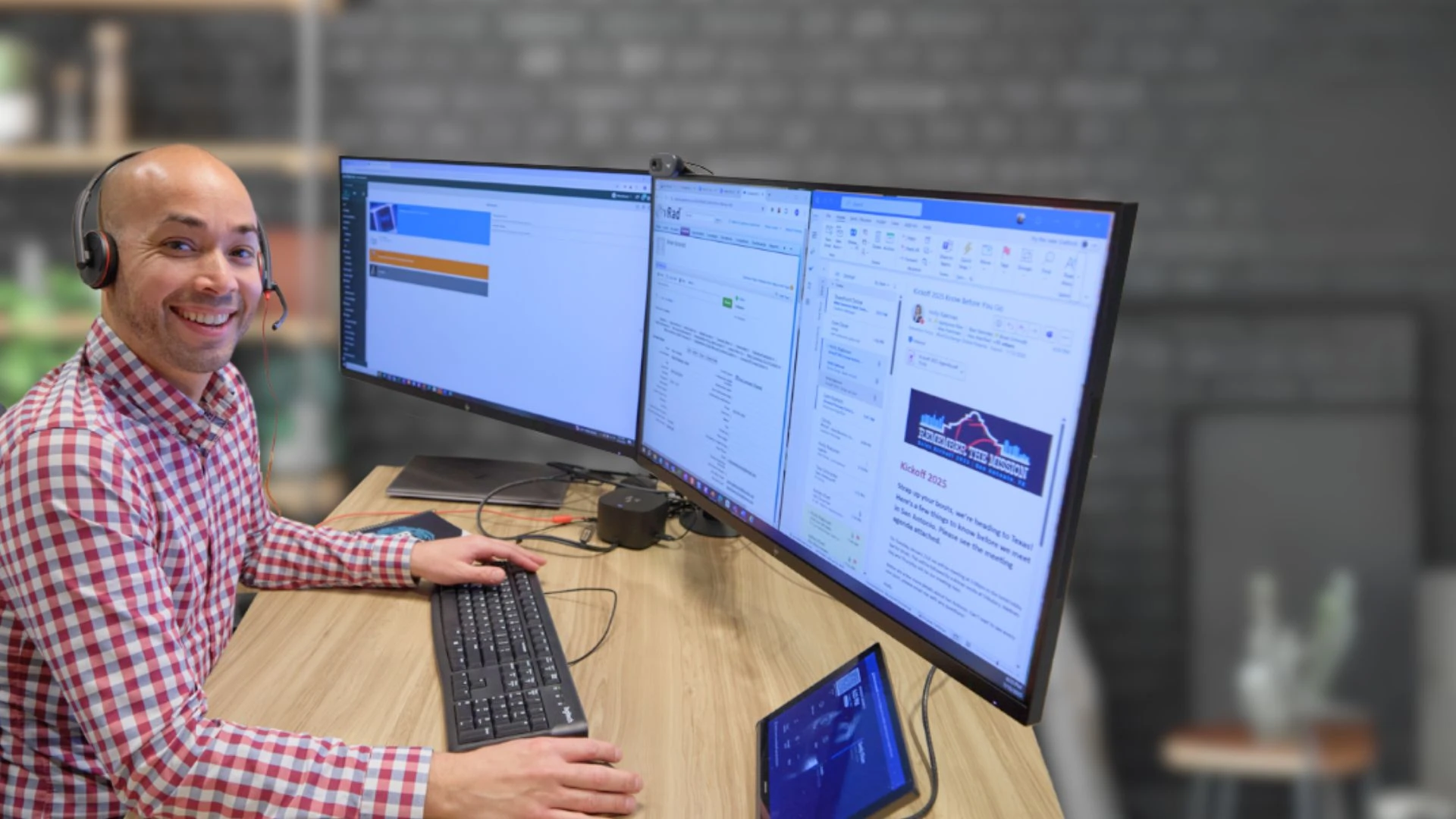
A radiology platform integration onto The vRad Platform moves through seven stages: project planning and kickoff; discovery and design across clinical, technical, and operational needs; technical integrations including DICOM routing, HL7 orders and results, and EMR/FHIR connections; workstation deployment; radiologist, technologist, and administrator training; operational and facility readiness checks with a soft go-live; and go-live with monitored support followed by a formal handoff to account management.
The most common risks to a go-live date when implementing The vRad Platform are an incomplete project plan, facility contacts who are unresponsive or unaware of the change, forgetting to give notice to the current vendor, scope changes after kickoff, ADT and HL7 specifications that are hard to meet, and unforeseen equipment needs. A large radiologist roster can also extend training. vRad’s Client Implementation Manager tracks each of these in a shared, real-time project dashboard from week one.
During go-live on The vRad Platform, expect real-time support for radiologists, technologists, and staff (on site or remote), workflow guidance and issue resolution as cases route through the new system, rapid escalation for anything urgent, and a daily check-in call to review progress. Go-live follows a soft go-live period, so the first live day confirms workflows the practice has already run rather than testing them for the first time.
vRad trains radiologists, technologists, and administrators on their own workflows before go-live. Radiologist training is comprehensive covering the worklist, viewer, dictation and automatic report formatting, support tools, and more; technologist training covers sending studies and order management; administrator training covers user administration, the Order Management System, and analytics dashboards. Training is scheduled in the two months before go-live and continues through the soft go-live period.
After go-live on The vRad Platform, the implementation team stays as your primary contact for two weeks while workflows stabilize. Your Client Implementation Manager then holds a formal handoff call to your Area Director and Account Manager, who become your day-to-day contacts, backed by 24/7 U.S.-based technical support. The implementation playbook continues through the second quarter after go-live, reviewing case routing, templates, and configuration against practice data.