
Practicing at vRad
Remote radiologist jobs with flexible schedules, equitable pay, and the most advanced reading platform. Discover teleradiology at vRad.
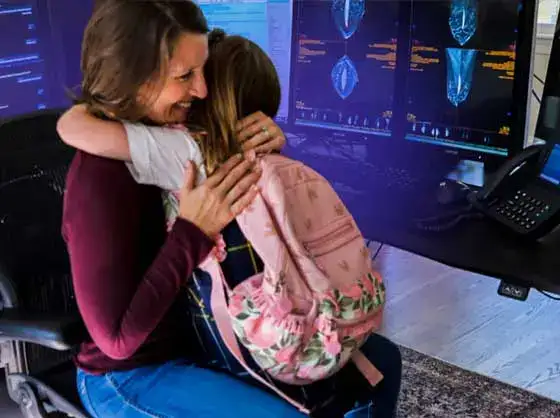
Remote radiologist jobs with flexible schedules, equitable pay, and the most advanced reading platform. Discover teleradiology at vRad.

Radiologist well-being matters. Explore how vRad takes action to prevent burnout with expert-led, confidential support through our partnership with VITAL WorkLife. Helping radiologists thrive.
Visit the vRad blog for radiologist experiences at vRad, career resources, and more.
vRad provides radiology residents and fellows with free radiology education resources for ABR boards, noon lectures, and CME.
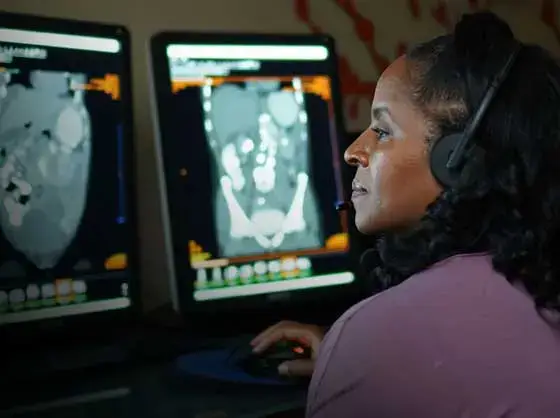
Teleradiology services leader since 2001. See how vRad AI is helping deliver faster, higher-quality care for 50,000+ critical patients each year.
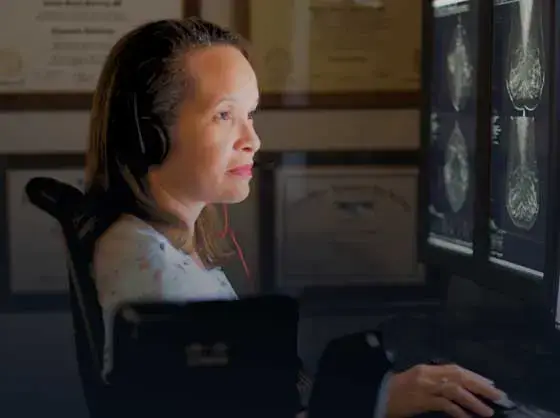
Subspecialist care for the women in your community. 48-hour screenings. 1-hour diagnostics. Comprehensive compliance and inspection support.
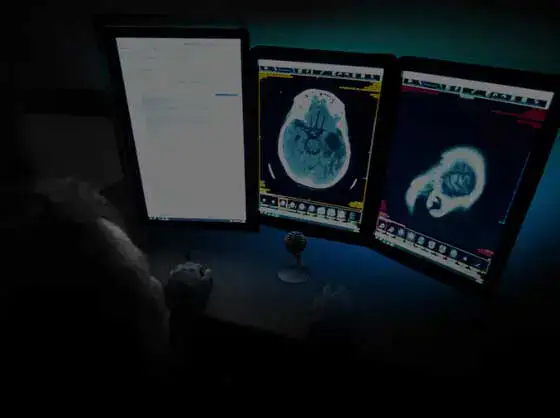
vRad’s stroke protocol auto-assigns stroke cases to the top of all available radiologists’ worklists, with requirements to be read next.

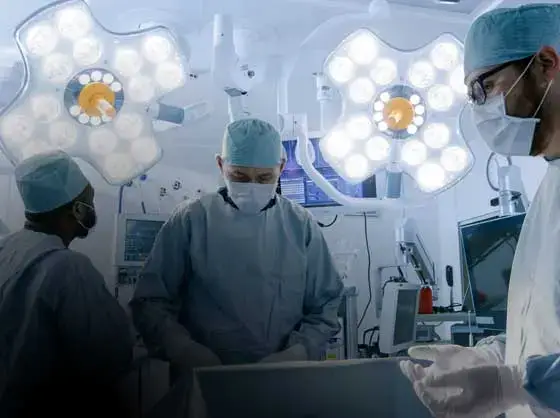
vRad’s unique teleradiology workflow for trauma studies delivers consistently fast turnaround times—even during periods of high volume.
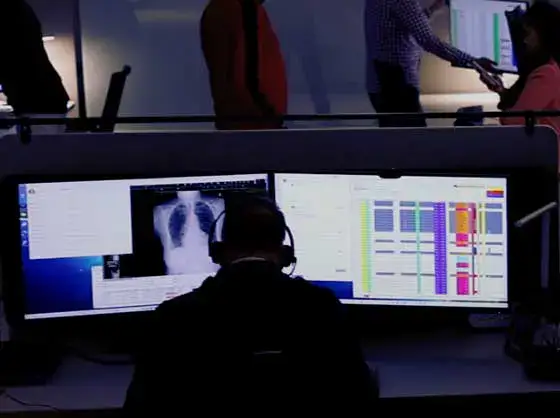
vRad’s Operations Center is the central hub that ensures imaging studies and communications are handled efficiently and swiftly.
vRad is delivering faster radiology turnaround times for 40,000+ critical patients annually, using four unique strategies, including AI.
vRad is developing and using AI to improve radiology quality assurance and reduce medical malpractice risk.
Designed by radiologists and proven over 20+ years. Every facility in one workflow with native AI, real-time analytics, and 24/7 support.

The vRad Operations Center provides live, U.S.-based clinical and technical support around the clock, so radiologists keep their eyes on images.

Switch platforms without stopping the practice. vRad has run PACS, EMR, and HL7 integrations since 2001, stage by stage.
See turnaround times, volume, radiologist productivity, and referral trends from every facility on one real-time dashboard.

One click opens the case, the header is pre-filled, and dictation in any order becomes a structured report. Reporting software radiologists prefer.

AI built into the workflow, not bolted on: prioritizing the worklist, surfacing priors, formatting reports, drafting impressions, and placing critical findings calls.

One worklist for every facility. Native AI flags potentially critical findings and moves them to the top, cutting turnaround 15+ minutes.
One click opens the case, the header is pre-filled, and dictation in any order becomes a structured report. Reporting software radiologists prefer.

Dictate findings in any order. Native AI organizes them by body region into one consistently structured report, in your own words.

Native AI drafts the impression from the radiologist’s dictated findings. Built into reporting, not bolted on.
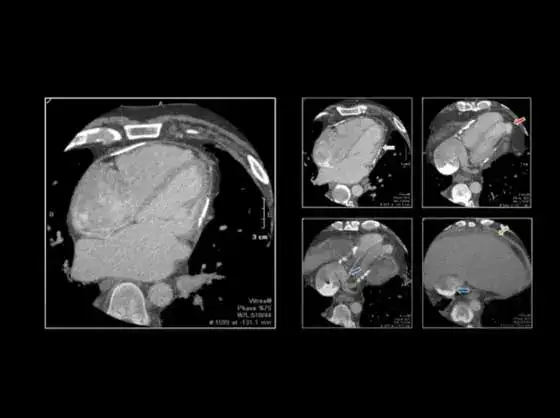
Since 2010, vRad Radiology Education has provided high-quality radiology CME. Open to all radiologists, these 15-minute online modules are a convenient way to stay up to date on practical radiology topics.
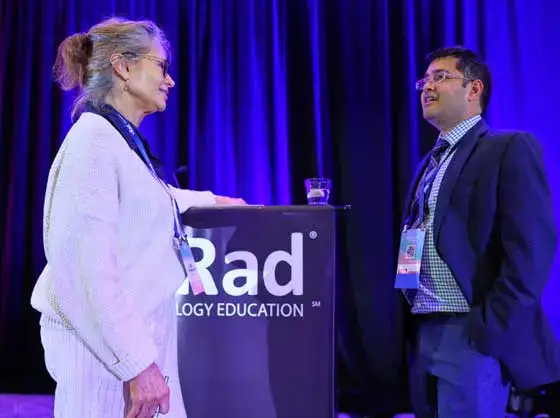
Join vRad’s annual spring CME conference, featuring top speakers and practical radiology topics.
vRad provides radiology residents and fellows with free radiology education resources for ABR boards, noon lectures, and CME.

Academically oriented radiologists love practicing at vRad too. Check out the research published by vRad radiologists and team members.

Learn how vRad revolutionized radiology and has been at the forefront of innovation since 2001.
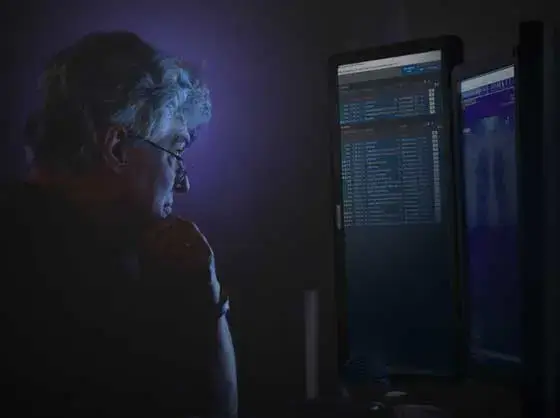
Since developing and launching our first model in 2015, vRad has been at the forefront of AI in radiology.

Explore vRad’s award-winning culture and what it’s like to work at vRad.
Meet vRad’s executive and medical leaders.
Visit the vRad blog for radiologist experiences at vRad, career resources, and more.

Get the latest news from vRad and top stories over the years.
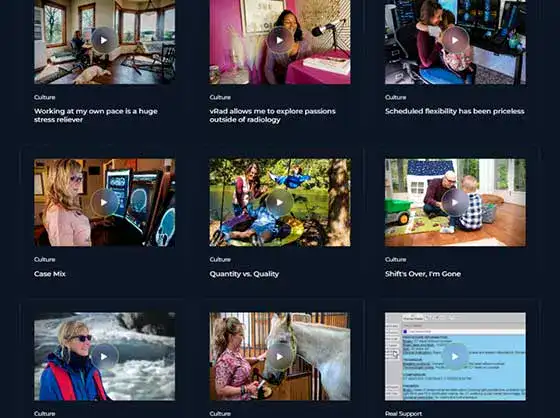
Explore our practice’s reading platform, breast imaging program, AI, and more. Plus, hear from vRad radiologists about what it’s like to practice at vRad.

Ready to be part of something meaningful? Explore team member careers at vRad.
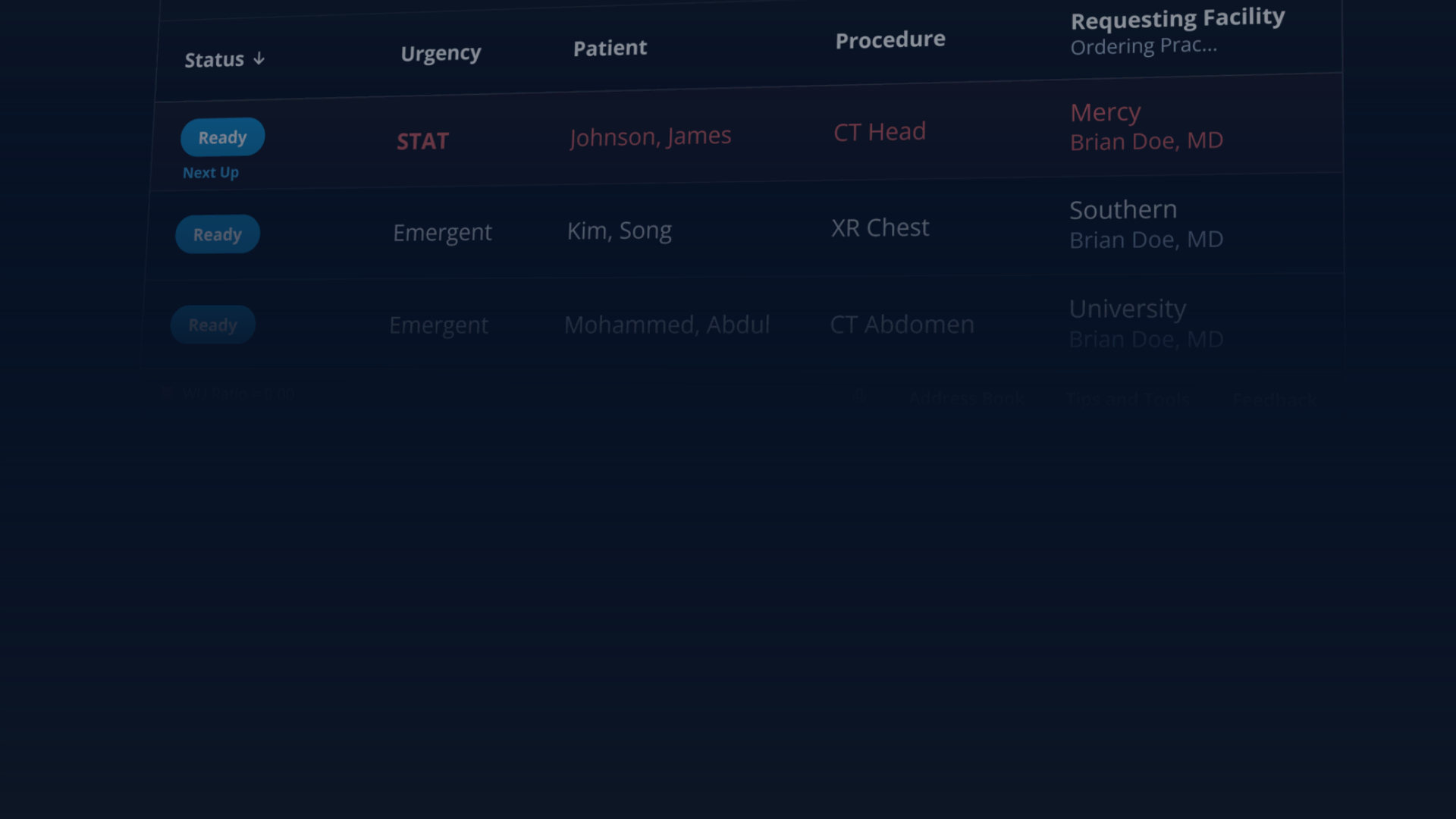
A shared, AI-powered worklist unlocks many benefits from faster patient care to consolidated data for more effective practice management.
On The vRad Platform, AI reviews all relevant incoming images for 19 critical pathologies, from intracranial hemorrhage and large vessel occlusion to pulmonary embolism and aortic dissection. Potentially critical cases are prioritized to the top of the dynamic worklist to be read next, by the next available radiologist. Turnaround on those patients drops by 15+ minutes on average.

Trauma images are automatically separated into anatomical groups. Multiple radiologists read neuro, body, and extremity studies simultaneously for faster results. The dynamic worklist will also automatically bundle related examinations, such as a follow-up CT abdomen that arrives after the original exam, so the same radiologist reads both.

When every radiologist reads from the same worklist and the worklist determines what comes next, high-value cases can’t be skimmed off the top and difficult cases don’t get left for someone else. The vRad Platform matches each incoming case to available radiologists based on licensing, credentialing, subspecialty, preferences and workload. The result is a shared-work model that distributes cases based on patient need and radiologist fit.

Native AI reviews the images for 19 critical pathologies the moment the study arrives and immediately boosts potentially critical cases.
STAT, urgent, and routine orders are assigned their appropriate place in the queue. AI will boost any priority if it suspects a critical finding.
Hyper-acute cases like stroke and trauma trigger workflows to speed distribution and reading for those patients.
A case is only shown to radiologists licensed in the state where it was performed.
Facility privileges are checked before a case is routed, so credentialing never becomes a reason a study waits.
Cases can be matched to a subspecialist, without a manual reassignment.
The vRad Platform accounts for what each radiologist already has open, so the list balances across the team.

In 2004, vRad formed an in-house software engineering team to work alongside our radiologists on building better radiology solutions. This is unique in radiology and it proved to be a defining decision that made countless advancements possible, including AI image analysis for worklist prioritization in 2015.
Today, vRad’s worklist technology carries 10 million studies a year and prioritizes 55,000+ critical findings annually. It is the same technology your practice would read on from day one.
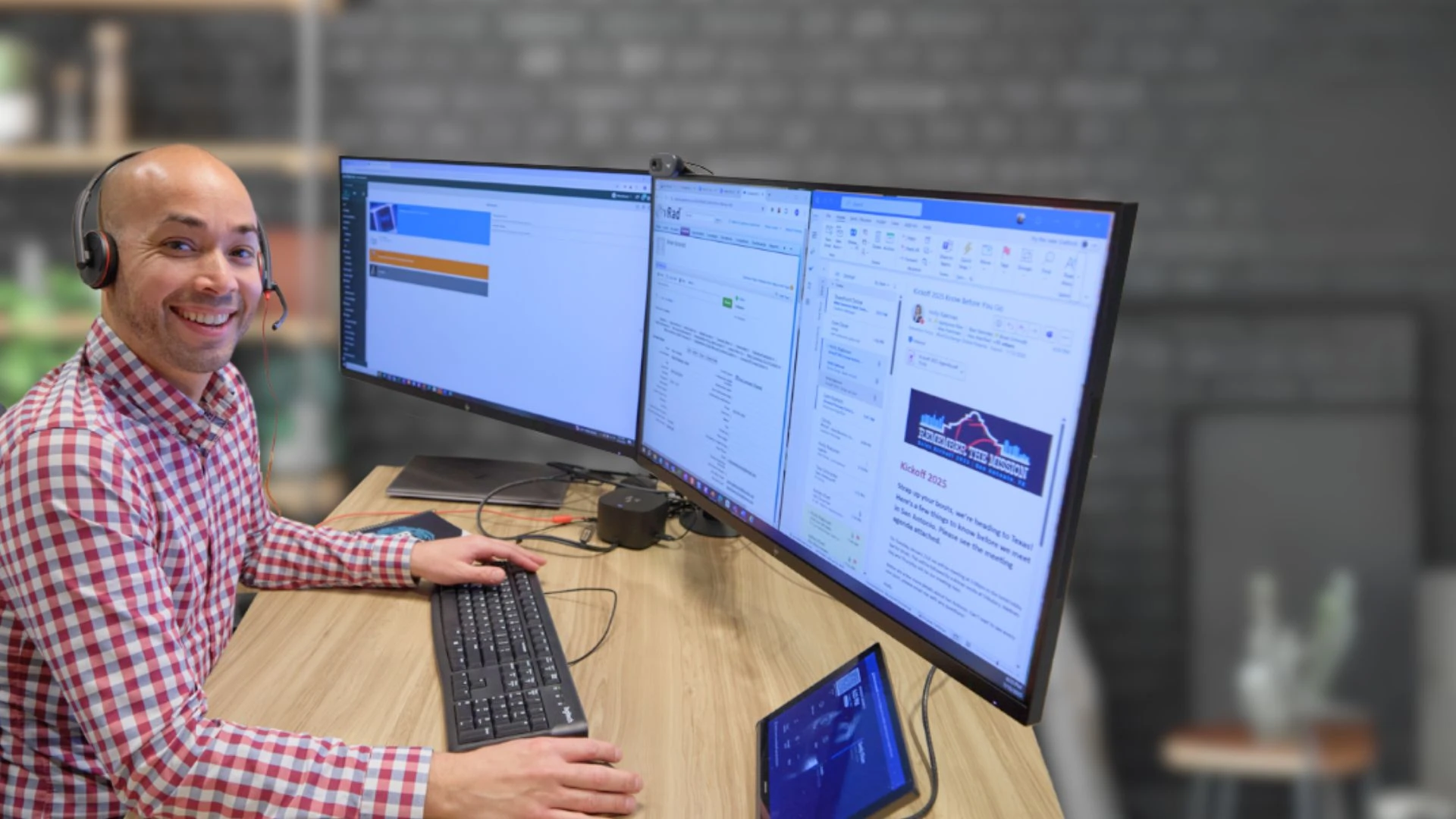
An AI radiology worklist prioritizes cases based on patient need by reviewing the images in addition to the study information. On The vRad Platform, native AI reviews each incoming study for 19 critical pathologies and moves a potentially critical patient to the top of the worklist.
Yes. Native AI on The vRad Platform reviews the images of every relevant incoming study for critical pathologies regardless of how it was ordered. Every year, The vRad Platform prioritizes 14,000+ cases for scans that were ordered as non-emergent for unrelated reasons, including 1,200 intracranial hemorrhages, 200 pulmonary emboli, and 20 aortic dissections—often accelerating care by hours compared to standard, non-emergent turnaround times.
AI worklist prioritization improves turnaround time by automatically placing the most urgent study at the top of the radiologist’s worklist as opposed to a first-in, first-out list. On The vRad Platform, AI prioritization of potentially critical findings reduces turnaround on those cases by 15+ minutes on average, and stroke and trauma protocols distribute hyper-acute cases to every available radiologist the moment they arrive.
The vRad Platform balances workload by cross-referencing each incoming case with the profiles of the radiologists currently reading: state licensing, facility credentialing, clinical subspecialty, and how much work each one already has assigned to them. Cases are routed to the radiologist who fits, and the shared worklist never depends on the speed of one reader.
A centralized AI worklist prevents cherry picking and case skipping by deciding which case a radiologist reads next instead of leaving the choice to whoever reaches the list first. On The vRad Platform, every radiologist reads from a unified worklist, the next best case is presented at the top, and distribution is governed by urgency, licensing, credentialing, subspecialty, and workload. Cherry picking and case skipping patterns can be monitored in the practice’s analytics dashboards that are included with The vRad Platform.
vRad has prioritized its unified worklist based on patient need for over 20 years and added AI image detection prioritization in 2015. vRad began developing its own worklist in the early 2000s because commercial software could not meet the needs of a radiology practice with facilities and radiologists in separate locations. The worklist on The vRad Platform today is the same one that scaled vRad’s practice, refined through 20+ years of daily use.
A unified radiology worklist puts studies from every hospital and imaging center on a unified list, so any credentialed radiologist can read for any facility from any location. When one site gets busy, its cases are simply next on the list for radiologists who have capacity, and coverage evens out without anyone reassigning work by hand. Because the worklist feeds vRad Analytics, the normalized history it collects on volume by site, hour, and modality can then be used to plan staffing and scheduling ahead of demand.
Radiologists only see cases that have been assigned to them. A case may be assigned to multiple radiologists to maximize patient flow. When a case is picked up, it drops from the other radiologists’ view. Prioritization and assignment are based on seven key factors: what’s on the images, ordered priority, trauma and stroke protocols, licensing, credentialing, subspecialty, and current workload.
Preventing cherry picking requires a combination of workflow design, technology, and performance management. The vRad Platform’s AI worklist automatically creates a worklist based on clinical priority, subspecialty expertise, licensure, and workload balancing to avoid cherry picking. The goal is not to restrict radiologists unnecessarily but to create a fair, efficient workflow that balances workload, supports subspecialty expertise, and ensures patients receive timely, high-quality care.