
















Luna Companies, a national healthcare workforce firm serving rural hospitals, tribal health communities, and VA systems, has selected Virtual Radiologic (vRad) to implement The vRad Platform as the technology foundation for its new nationwide radiology staffing and services program. The agreement gives Luna an established, AI-enabled reading and reporting environment to launch the program and support its growth, rather than assembling a patchwork of disparate technologies.
Key highlights
- Luna Companies will launch a nationwide radiology staffing and services program built on The vRad Platform.
- The program targets rural hospitals, tribal health communities, and VA systems — facilities that traditional provider networks reach last.
- The vRad Platform provides the reading environment, reporting workflow, and 24/7 clinical and technical support, refined over two decades inside vRad’s own practice.
- Implementation is underway, with the first sites expected to go live in Q1 2027.
Why Luna is extending into radiology
Luna Companies specializes in staffing for healthcare organizations that sit outside the reach of traditional provider networks — facilities where a staffing gap can mean a community loses access to a service entirely. Radiology is among the services those organizations are least able to staff on their own.
Extending Luna’s model into diagnostic imaging required a reading environment, reporting workflow, and around-the-clock support structure capable of serving dispersed sites from day one.
Key insights from Luna Companies CEO, Shawn Dargusch
“The communities we serve are often told that a service simply isn’t available to them. Radiology is one of the clearest examples. A patient in a rural or tribal community should not wait longer for a critical read because of their zip code. Luna is launching our new radiology program specifically to close that gap, and we were not willing to do it on untested infrastructure.”
What The vRad Platform provides
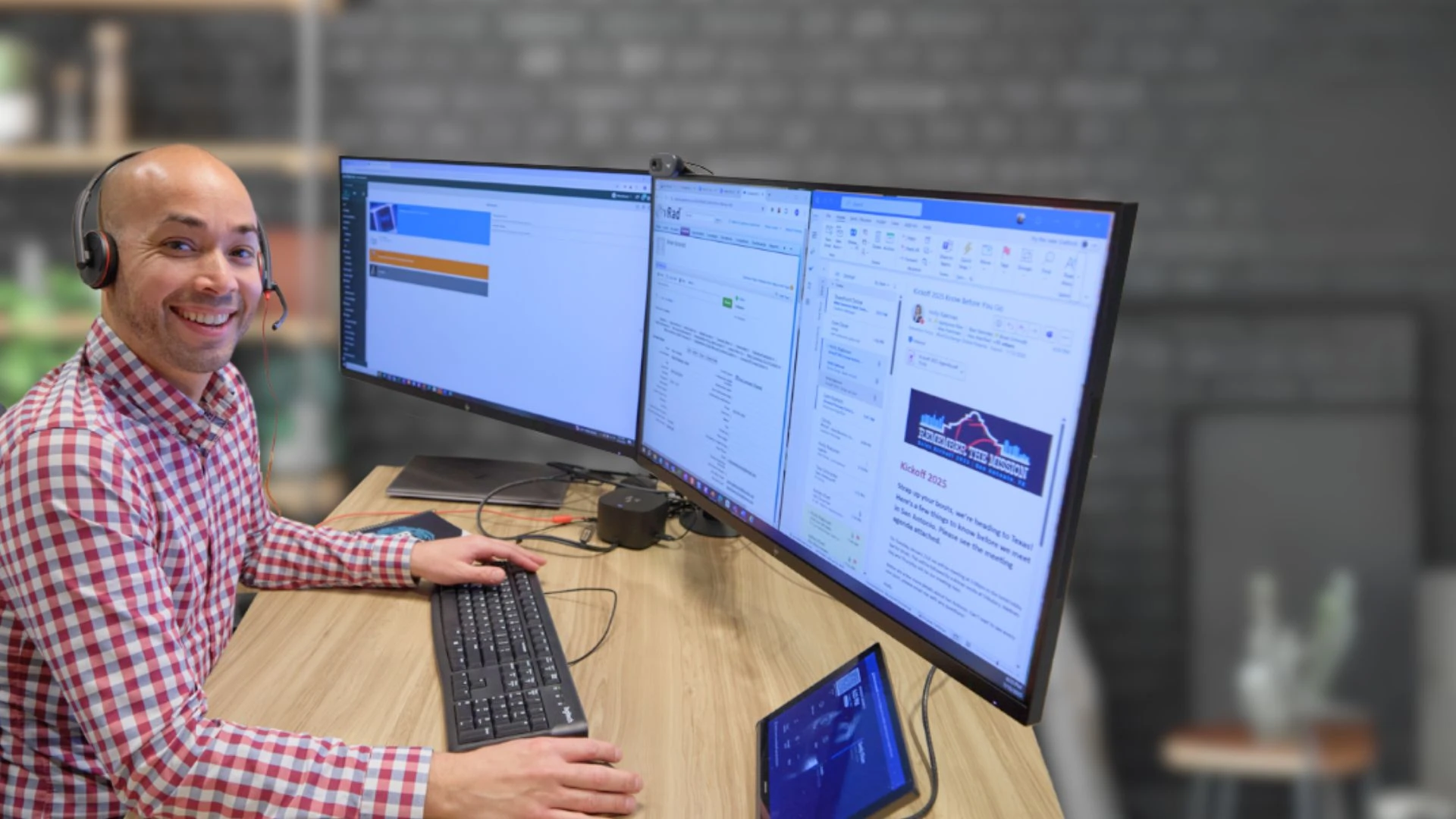
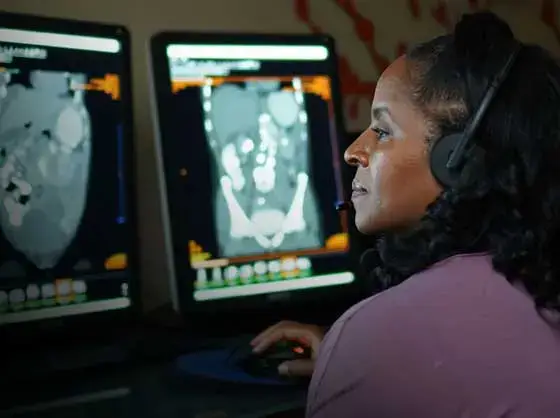
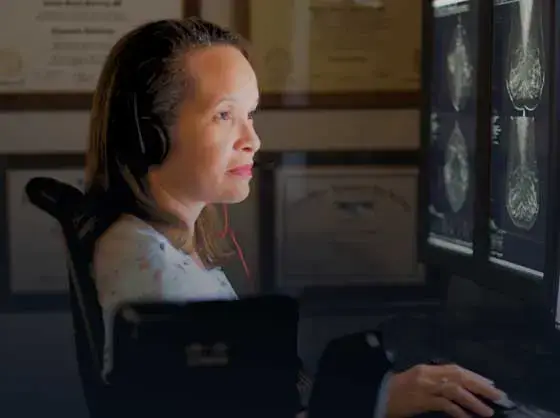
The vRad Platform has been refined through more than two decades of real-world use inside vRad’s own practice, supporting hundreds of radiologists interpreting millions of studies each year. The fully integrated system is SOC 2 Type II certified for Security and Availability.
Built to support a new radiology program
- A high-performance reading environment.
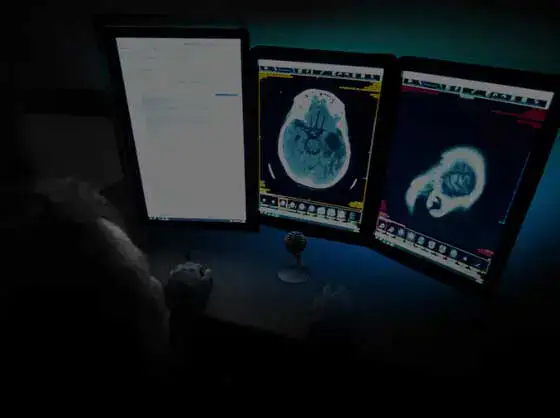
- Native AI capabilities including voice recognition and automatic report formatting.
- Worklist prioritization for potentially critical findings.
- 24/7 clinical and technical support through vRad’s Operations Center.
- SOC 2 Type II certification for Security and Availability.
Why Luna selected The vRad Platform
“We looked at the options and The vRad Platform was our first choice. It’s proven at scale; it provides our radiologists and our client facilities a reading, reporting and support environment that works from day one. This positions Luna to focus on what we do best: getting the right radiologists to the communities that need them.”
— Raul Ruiz, Chief Transformation Officer, Luna Companies
Key takeaways from Luna Head of Quality, Dr. J.P. Dym
“Quality in radiology comes down to two things: the right radiologist, and the right tools. With The vRad Platform, Luna radiologists have the reading environment they need to deliver the same standard of care in a rural or tribal hospital as in a major medical center.”
Key takeaways from vRad Chief Medical Officer, Benjamin W. Strong, MD
“Luna is taking on the part of the market that is hardest to serve, and doing it deliberately. The vRad Platform was built for exactly this problem — radiologists reading across dispersed facilities on the same platform for optimum efficiency and scalability. We’re glad to see it put to work expanding access to these underserved areas.”
Summary
Luna Companies, a national healthcare workforce firm headquartered in Jupiter, Fla., has selected The vRad Platform as the technology foundation for a new nationwide radiology staffing and services program. Luna serves rural facilities, tribal health programs, VA systems, and hospitals of every trauma level — organizations for which a staffing gap in radiology can mean losing the service altogether.
The vRad Platform gives the program an established reading environment, reporting workflow, native AI capabilities, and 24/7 clinical and technical support, developed over more than two decades inside vRad’s own practice. Implementation is underway, with the first sites expected to go live in Q1 2027.