













Introduction
Stroke is the second leading cause of death globally, according to the 2019 Global Burden of Disease Study,1 and the fifth in the United States.2 Stroke-related deaths in the U.S. increased between 2011 and 2021, as stated in the 2024 heart disease and stroke statistics report by the American Heart Association and National Institutes of Health.3 The financial costs associated with stroke are substantial.4
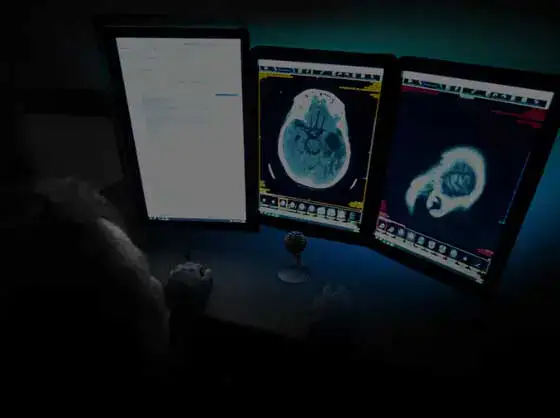
A multidisciplinary approach, including neuroimaging, is vital for stroke management to reduce morbidity and mortality.5 Middle cerebral artery (MCA) strokes are the most common and can be associated with lower Functional Independence Measure scores than strokes in other territories. Clinical and imaging criteria help guide triage and treatment decisions, such as endovascular and IV tPA therapy. Non-contrast head CT (NCHCT) is used to detect signs of acute stroke and rule out intracranial hemorrhage, which influences thrombolytic therapy eligibility.
Materials and methods
Our national teleradiology practice, with over 500 U.S. board-certified radiologists, provides 24/7 remote imaging interpretation to more than 2000 facilities. It covers various imaging modalities, often in acute settings like stroke and trauma. The Quality Improvement (QI) initiative, overseen by medical leadership, employed the Model for Improvement methodology10 to evaluate initial ASPECTS reporting and to endeavor to enhance it. The Model for Improvement, developed by Associates in Process Improvement, consists of two linked components. The initial component revolves around three essential questions: (What are our objectives? How will we measure the success of a change? What specific change can we implement to facilitate improvement?). The second component utilizes the Plan-Do-Study-Act (PDSA) cycle methodology to test and refine changes, ensuring they attain the targeted enhancement. The primary metric was the presence of an ASPECT score statement in stroke-protocol non-contrast CT reports. From May 2018 to July 2019, interventions included emails, educational materials, retrospective data analysis, and workflow prompts.
Conclusion
In conclusion, our study demonstrated that radiologists initially reported ASPECTS infrequently; however, a significant increase was observed during and after the implementation of a comprehensive quality improvement program that incorporated real-time reminders. These findings underscore the effectiveness of such initiatives and suggest that they may be beneficial in other healthcare settings.
Share this article